Ana Ruiz
Data and visualization journalist based in Madrid
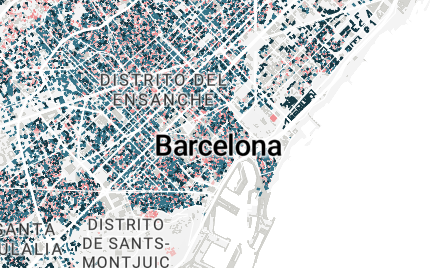
The map of heat expenditure, building by building: do you pay more that your neighbours?
The Ministry of Housing, in collaboration with a consulting firm, released a tool showing the heating demand for every building in Spain. We used this data to create our own map, incorporating the cost of renovations that would improve energy efficiency in older buildings. The article emphasized that Spain's housing stock is outdated, making it expensive to retrofit for better energy efficiency. The report called attention to the need for government support and awareness to tackle these challenges, especially as energy costs rise. It also discussed the environmental and economic benefits of upgrading Spain’s aging buildings to meet modern energy standards.
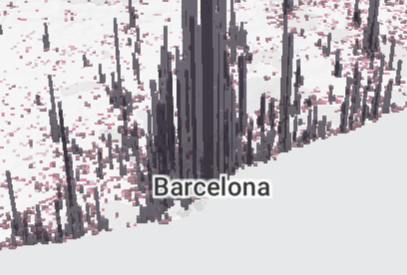
The map of the European population: do you live in the most populated square kilometre of the continent?
We examined Europe's population density using a detailed grid of one square kilometer, focusing on how population distribution has shifted over the last decade. Although this study was part of the broader Pulse program with European journalists, we centered on Spain. The article highlighted factors like average population age, dependency ratios, unemployment rates, and income levels to explain demographic trends. It offered insight into regional differences and urbanization patterns. The data allowed us to discuss how various socio-economic factors influence where and how people live in Spain, as well as broader implications for infrastructure, services, and policy planning across the country.
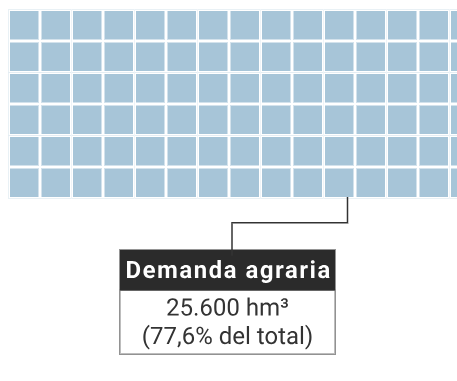
The water games that can dry out Europe's pantry
Last summer's drought in Spain led to severe water restrictions for farmers, with public administrations limiting water supply to critical levels. This article explored the administrative mismanagement of public water resources, exacerbating the drought's effects. Additionally, it discussed how excessive water usage by farmers during wetter periods contributes to resource depletion in times of scarcity. The combination of poor regulation and unsustainable agricultural practices has deepened the crisis. The article emphasized the need for improved water governance and sustainable resource management to mitigate future impacts of climate change, ensuring both agricultural viability and the long-term preservation of water supplies.

Where is sea water colder, in Llanes or in Marbella? We have a full guide to explain it
For the summer season, we explored sea surface temperatures across all Spanish coastal municipalities. Using a dataset with 0.5° spaced points, we aggregated the average water temperatures by municipality and province. We also analyzed historical records of maximum and minimum sea temperatures. This data allowed us to provide a comprehensive view of coastal water conditions, helping readers understand regional variations. The article emphasized how the changing water temperatures can affect tourism and local activities, particularly in popular summer destinations. Additionally, it shed light on broader environmental trends, linking the findings to potential impacts of climate change on Spanish coastal regions.